Aging Care Together
Strengthening support for Korean Americans caring for parents living with dementia
Watch Our March 19 Webinar
When Parents Need Care: A Conversation on Dementia for Family Caregivers
[VIRTUAL]
Watch ACT’s first webinar, designed to create a supportive space for Korean Americans who are caring for a parent living with dementia while balancing work, family, and cultural expectations.
You can expect to gain:
Information on caregiver resources and planning
Live Q&A with community experts
Who We Are
Aging Care Together (ACT) is a national initiative established by four community-based organizations and is incubated by the Korean American Community Foundation (KACF). Its founding members each bring decades of experience supporting older adults and families through bilingual, culturally informed, community-rooted care.
-
Since 1987, Hanul Family Alliance has delivered vital community-based services to Korean American older adults, immigrants, and low-income families through Greater Chicago. Dedicated to healthy aging, family wellness and community engagement, Hanul offers essential services such as home care, adult day care, mental health counseling, immigration services, and nutrition programs.
-
Korean Community Services (KCS), founded in 1973, is the oldest and largest Korean American nonprofit in the New York region. It serves immigrants and their families through programs in aging, education, workforce development, mental health, public health, and immigration services. Its mission is to help Korean Americans overcome economic, health, and linguistic barriers so they can fully thrive.
-
Founded in 1974, the Korean Community Service Center (KCSC) empowers Asian Americans and new immigrants in the DC metropolitan region through social services, health promotion, mental health counseling, and family and victim services. Its mission focuses on helping individuals become well‑adjusted and self‑sufficient through culturally and linguistically competent programs.
-
Founded in 2007, Somang Society is dedicated to promoting “Well-Being, Well-Aging, and Well-Dying” for older Korean Americans and their families. Through culturally and linguistically tailored education, programs, and resource sharing, the organization advances understanding and preparedness in advance care planning, dementia care, and family caregiving. Somang Society provides comprehensive memory care services, including case management, individualized care consultations, dementia support groups, early-stage dementia care classes, and well-aging education for community members. The organization also offers professional training in dementia-related behavioral symptom management, alongside robust community outreach initiatives. By delivering culturally grounded support to older Korean Americans and their caregivers, Somang Society fosters dignity, preparedness, and an enhanced quality of life at every stage of aging.
mission
To strengthen support for Korean American older adults and caregivers by fostering collaboration among community-based organizations, developing culturally grounded caregiving support, and improving access to resources that fit the needs of Korean American families.
Vision
A community where Korean American older adults and caregivers feel supported, respected, and connected.
Our Focus

Caregiver-centered support
We develop practical tools and resources informed by the lived experiences and cultural needs of Korean American families.
National coordination and referrals
We build a national network of care, making it easier for caregivers to connect to trusted support and resources, even when they live far from those they care for.
Knowledge and experience sharing
We create opportunities for nonprofits nationwide to connect and share learnings and ideas.

Research and data collection
We conduct needs assessments and focus groups to better understand the needs of caregivers and older adults.
Why Now?
Nearly 2 million people in the United States identify as Korean, and within this community, the aging population is growing rapidly. Between 2011 and 2021, the Korean American population aged 65 and older grew by nearly 70%, placing increasing caregiving demands on families nationwide.
At the same time, caregiving in the U.S. is largely unpaid and family-led. Unpaid caregiving is valued at $470 billion annually, underscoring how much families are carrying. The need for coordinated, culturally responsive support has become urgent, especially as the sandwich generation is often navigating caregiving from afar.
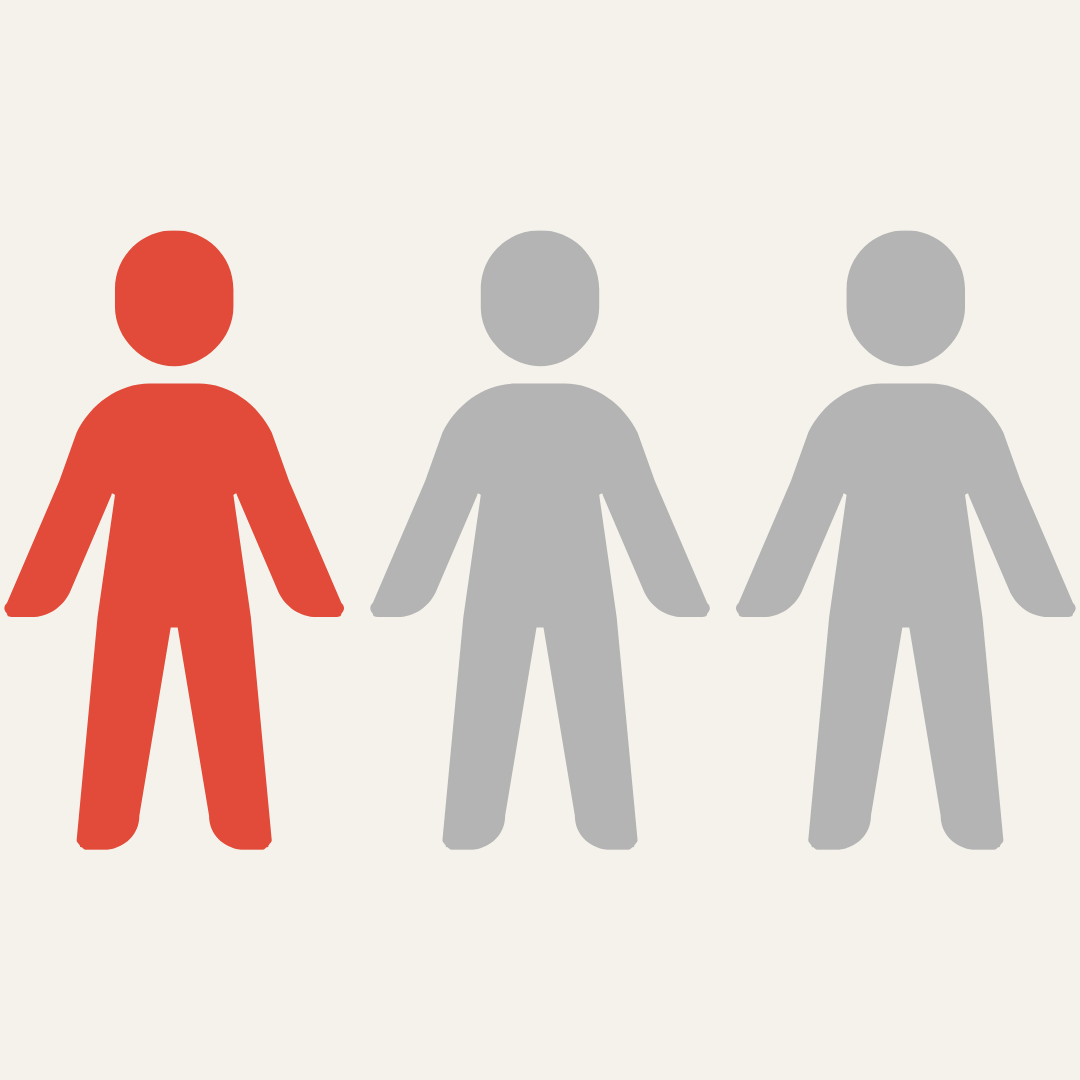
More than 1 in 3 older Korean Americans live with dementia or mild cognitive impairment, driving a growing need for caregiving support.
In a recent study, 82% of surveyed Korean older adults expressed a preference for familial care.
(Asian American Federation, 2024)

85% of Korean older adults cite lack of information and language barriers as major obstacles when considering professional caregiving.
(Asian American Federation, 2024)
Our Story
Each year, Korean American nonprofit leaders from across the country come together at KACF’s annual National Convening to connect and share what they are seeing in their communities. In these conversations, the leaders who would come together to form Aging Care Together recognized a common thread. Despite working in different regions, they were hearing the same stories from families navigating aging, dementia, and caregiving.
What emerged was a shared conviction: While their work is rooted locally, the challenges facing Korean American caregivers are national, and addressing them would require working together.
KACF AS AN INCUBATOR
As these early conversations continued, KACF served as a strategic advisor and partner, helping to transform an idea into action.